What Are Dental Veneers?
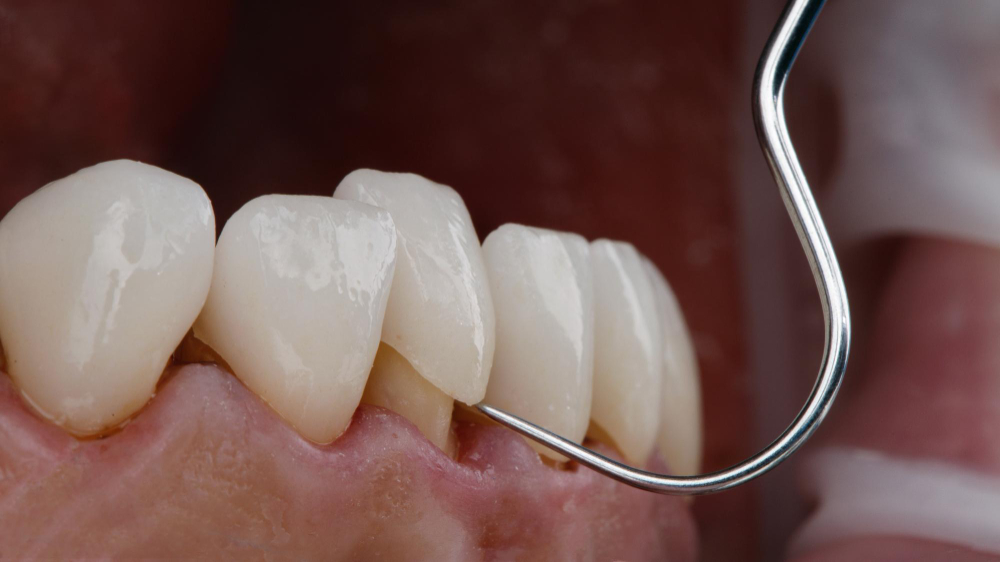
Dental veneers are thin shells placed on the front of your teeth. Dentists use them in cosmetic dentistry to improve the look of your smile. Usually, these shells are made from porcelain or resin. Porcelain veneers are popular because they look natural and resist stains. Many people choose dental veneers to fix chipped, stained, or uneven teeth. According to the American Dental Association, veneers can help cover gaps and improve tooth shape. For those seeking dental veneers in their city, many clinics offer this service.
Key Benefits of Dental Veneers
Dental veneers offer many advantages. For example, they can quickly change your smile. Here are some key benefits:
Because veneers are custom-made, they fit your mouth well. As a result, many people feel more comfortable showing their teeth.
The Dental Veneers Procedure: Step-by-Step
Getting dental veneers involves several steps. Although the process is simple, it does take a few visits. Here is how the veneers procedure usually works:
Each step is important to make sure your new smile looks and feels right. The whole process often takes two to three visits.
Who Is a Good Candidate for Dental Veneers?
Not everyone is suited for dental veneers. Still, many people can benefit from them. Dental veneer candidates often have:
However, some people may not qualify. For instance, those with severe tooth decay or gum disease may need other treatment first. If you grind your teeth, your dentist may suggest a mouthguard to protect your veneers. Always talk to your dentist to see if veneers are right for you.
Potential Risks and Considerations
While dental veneers are safe, there are some risks. For example, the process is not reversible. Once enamel is removed, it cannot grow back. Here are a few things to consider:
Because of these risks, it is important to follow your dentist’s advice. The American Dental Association suggests regular checkups to keep your veneers in good shape.
Caring for Dental Veneers: Tips for Longevity
With proper care, dental veneers can last many years. To help your veneers last longer, follow these tips:
Because veneers are strong but not unbreakable, gentle care is best. Your dentist can give you more tips based on your needs.
Frequently Asked Questions About Dental Veneers
Many people have questions about dental veneers. Here are answers to some common ones:
For more information, ask your dentist or visit trusted sources like the American Dental Association or CDC.
Conclusion
If you are thinking about dental veneers, Dr Praveen Dorle can help you decide if they are right for you. Book a visit to discuss your options and get a healthy, confident smile.