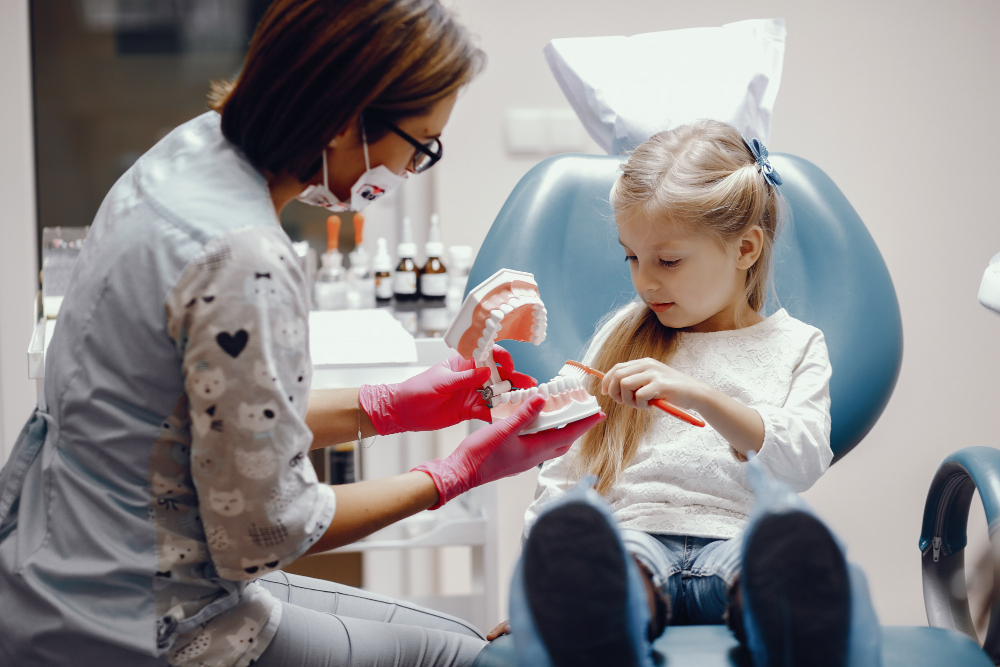
Children’s dental care is important for every family. When you start healthy dental habits early, your child’s smile can stay bright for life. Good oral health helps children eat, speak, and feel confident. In fact, early care can prevent many dental problems later on. For parents and caregivers, learning about children’s dental care is the first step to building a strong foundation for your child’s health.
Why Early Dental Care Matters
First, strong dental care in childhood protects your child’s teeth as they grow. Healthy teeth help children chew food well and speak clearly. Also, early dental habits can shape how children care for their teeth as adults. When kids learn to brush and floss, they are less likely to have cavities or gum problems later. According to the Centers for Disease Control and Prevention (CDC), children with poor oral health miss more school and may struggle with pain or infections. Therefore, starting dental care early makes a big difference.
Common Dental Issues in Children
Many children face dental problems, but most can be prevented. Here are some common issues:
Key Healthy Dental Habits for Kids
Building healthy dental habits for kids is easier with simple steps. For example, brushing twice a day with a soft toothbrush helps remove harmful bacteria. Children should use a pea-sized amount of fluoride toothpaste. In addition, flossing once a day cleans between teeth where a brush cannot reach. Regular dental visits allow the dentist to spot problems early.
Parents can encourage these habits by:
Nutrition and Its Role in Children’s Dental Health
What children eat affects their teeth. For strong teeth, offer foods rich in calcium, such as milk, cheese, and yogurt. Crunchy fruits and vegetables, like apples and carrots, help clean teeth naturally. On the other hand, sugary snacks and drinks can cause cavities. Try to limit candy, soda, and juice. Instead, encourage water between meals. The World Health Organization (WHO) suggests limiting sugar to reduce the risk of tooth decay.
To support dental health, parents can:
Preventing Dental Problems in Children
Prevention is key to children’s dental care. Using fluoride toothpaste helps protect teeth from decay. Some dentists may suggest fluoride treatments or dental sealants. Sealants are thin coatings placed on back teeth to block out germs and food. Routine dental check-ups are also important. During these visits, the dentist checks for early signs of problems and gives advice on care. The CDC recommends regular check-ups to keep children’s teeth healthy.
To prevent dental issues, remember to:
When to See a Dentist
It is important to know when your child needs to see a dentist. For example, if your child has tooth pain, bleeding gums, or white spots on teeth, schedule a visit. Swelling, loose teeth (not from normal growth), or trouble chewing are also signs to watch for. The American Academy of Pediatric Dentistry suggests a first dental visit by age one or within six months of the first tooth coming in. After that, children should see the dentist every six months, or as recommended by your dental provider. Early visits help catch problems before they become serious, consult Dr Praveen Dorle.