What Is Dental Anxiety?
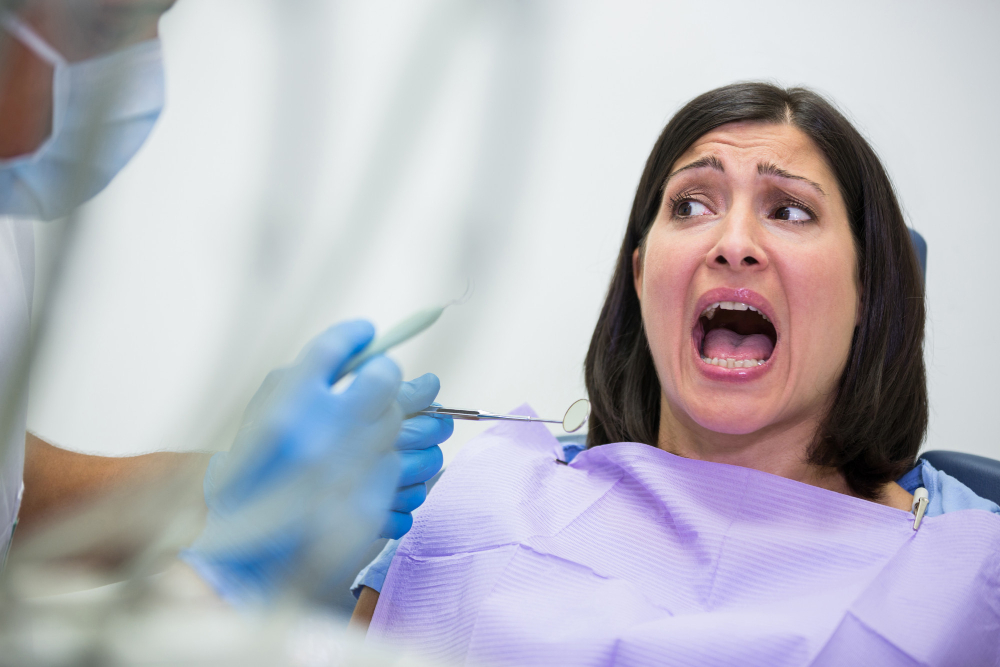
Dental anxiety is a real and common feeling. Many people feel nervous or scared before a dental visit. In fact, studies show that up to 36% of people have some level of dental anxiety. Because of this, many avoid seeing the dentist. However, modern dentistry now offers painless dental care, making visits much easier for everyone.
Common Symptoms and Causes of Dental Anxiety
Dental anxiety can show up in many ways. For example, some people feel worried days before their appointment. Others may have trouble sleeping the night before. You might notice these symptoms:
There are several causes of dental anxiety. Often, a bad experience in the past can lead to fear. Sometimes, stories from friends or family make people worry. In addition, fear of pain or needles is common. Some people also feel embarrassed about their teeth or worry about losing control during treatment.
How Dental Anxiety Affects Oral Health
Because dental anxiety can be strong, many people skip regular check-ups. As a result, small problems can turn into bigger issues. For example, untreated cavities may lead to tooth pain or infection. Over time, this can harm your overall health. According to the CDC, poor oral health is linked to heart disease and diabetes. Therefore, it is important to address dental anxiety early.
Modern Dentistry Techniques for Painless Visits
Thankfully, modern dentistry for anxiety has changed the dental experience. Today, dentists use many tools and methods to make visits painless. For instance, you may find:
Because of these advances, painless dental visits are now possible for most people. If you live in a big city, you may find many clinics offering painless dental care in your area.
Tips to Overcome Dental Anxiety
Overcoming fear of the dentist takes time, but small steps can help. Try these tips before your next appointment:
Remember, dentists want you to feel safe and comfortable. Because of this, they will work with you to find the best approach.
Prevention and Lifestyle Guidance
Although dental anxiety is common, you can take steps to prevent it from getting worse. For example, regular visits help you build trust with your dentist. In addition, good daily habits can reduce the need for complex treatments. Try to:
By following these steps, you can keep your mouth healthy and reduce stress about dental care.
When to Seek Professional Help
Sometimes, dental anxiety can be very strong. If your fear stops you from getting care, it may be time to seek help. For example, a mental health professional can teach you coping skills. Some dentists also work with therapists to support anxious patients. Do not wait until pain or problems force you to visit. Instead, reach out early and ask for help.
In summary, dental anxiety is real, but modern dentistry makes every visit easier. If you feel nervous, talk to your dentist about painless dental care options. For personalized advice, consult Dr Praveen Dorle today.