Introduction to Zirconia Crowns
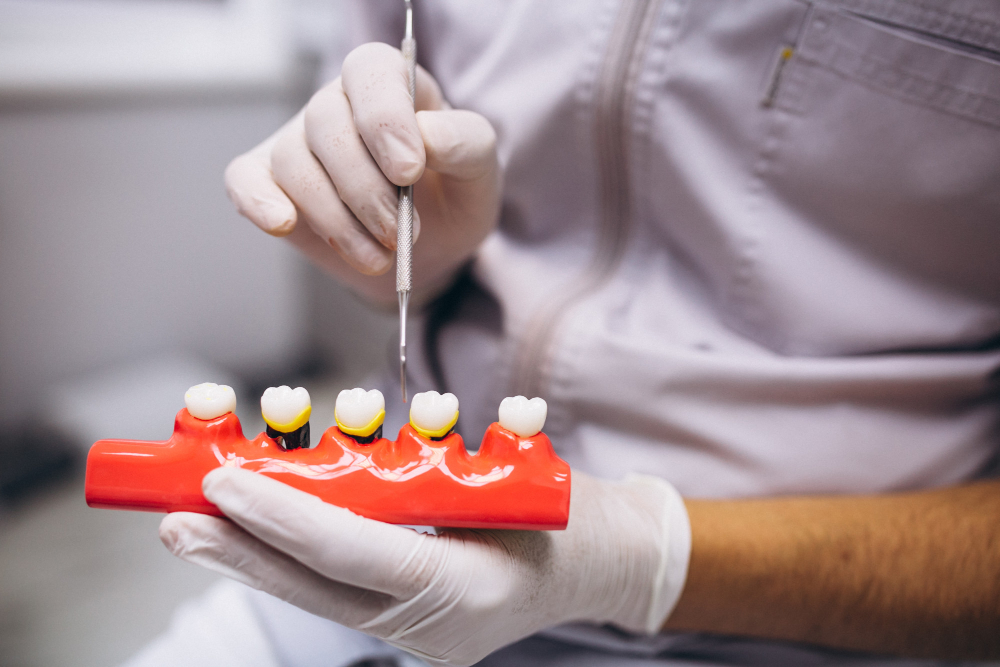
Zirconia crowns are strong dental caps made from zirconium dioxide. Dentists use them to cover and protect damaged or weak teeth. Because zirconia is very durable, these crowns are popular for both front and back teeth. In many dental clinics, zirconia crowns are now a top choice for restoring smiles. If you are looking for a natural look and long-lasting results, zirconia dental crowns may be right for you.
Benefits of Zirconia Crowns
There are many advantages of zirconia crowns. First, they are very strong and resist breaking. In addition, they look like natural teeth. Many people choose them for their beauty and strength. Here are some key benefits:
Because of these benefits, zirconia crowns are often recommended by dental specialists. According to the American Dental Association, they are safe and effective for most patients.
Indications and Suitability: Who Should Consider Zirconia Crowns?
Not everyone needs zirconia crowns. However, they are a good choice for many people. You may consider zirconia crowns if you:
For children, zirconia crowns can also be used for baby teeth in some cases. Still, your dentist will help decide if they are right for you.
The Zirconia Crown Procedure: Step-by-Step
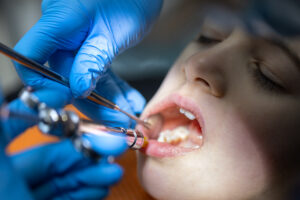
Getting a zirconia crown usually takes two visits. Here is the typical zirconia crown procedure:
Because zirconia crowns are custom-made, they fit well and look natural. The process is usually painless, but your dentist may use local anesthesia for comfort.
Aftercare and Maintenance Tips
Proper zirconia crown aftercare helps your crown last longer. Here are some simple tips:
With good care, zirconia crowns can last many years. However, regular dental visits are important to check the crown and your overall oral health.
Potential Risks or Side Effects
Although zirconia crowns are safe, some risks may occur. For example, you might feel mild tooth sensitivity after the procedure. Sometimes, the crown may feel too high or need adjustment. Rarely, the crown can chip or come loose. However, these issues are uncommon and can be fixed by your dentist. If you feel pain or discomfort, contact your dental clinic right away.
Frequently Asked Questions
Conclusion
Zirconia crowns offer strength, beauty, and long-lasting results for many dental needs. Because they are safe and natural-looking, they are a popular choice for restoring teeth. If you are thinking about zirconia crowns, consult a dental specialist Dr Praveen Dorle for personalized advice.